Comprehensive home improvement encompasses a wide range of services designed to enhance the comfort, efficiency, and value of a property. Homeowners often face numerous decisions regarding roofing, windows, insulation, and structural updates, and understanding the full scope of options is crucial for making informed choices. From hiring skilled roofers to selecting the right window company, the process can feel overwhelming without guidance. This article provides insight into essential home improvement services, helping homeowners navigate choices while maximizing long-term benefits.
Residential roof repair and roof install projects are among the most critical improvements for maintaining a safe and energy-efficient home. Working with an experienced roofing contractor ensures that these tasks are completed effectively, reducing the risk of leaks, structural damage, and costly repairs. Similarly, attention to insulation, windows, and even drywall installations contributes to a more comfortable living environment, improved energy efficiency, and higher property value.
This guide explores common concerns, including identifying roof damage, selecting windows, choosing insulation materials, improving energy efficiency, and hiring reliable contractors. It also covers maintenance strategies, financing options, and emerging trends in home improvement. By understanding these key areas, homeowners can confidently plan and execute upgrades that align with their goals, creating a home that is both functional and aesthetically pleasing while benefiting from the expertise of professionals in the field.
What Are The Signs That My Roof Needs To Be Replaced?
Age Of The Roof
The lifespan of a roof depends on the materials used and the level of maintenance it has received over the years. Asphalt shingles typically last 20–25 years, while metal and tile roofing can endure for 40–50 years or more. As roofs age, their ability to protect the home from water intrusion and weather damage diminishes, making residential roof repair or even a complete roof install necessary. Roofers can assess the condition of your roof and recommend solutions based on its age, material type, and overall wear.
An older roof may not show immediate signs of failure, but age alone can justify a proactive replacement to prevent future leaks and structural issues. Working with a qualified roofing contractor ensures that evaluations are thorough and solutions are tailored to your home’s specific needs. Planning for a roof install at the right time not only safeguards the property but also maintains the home’s energy efficiency and resale value.
Visible Damage
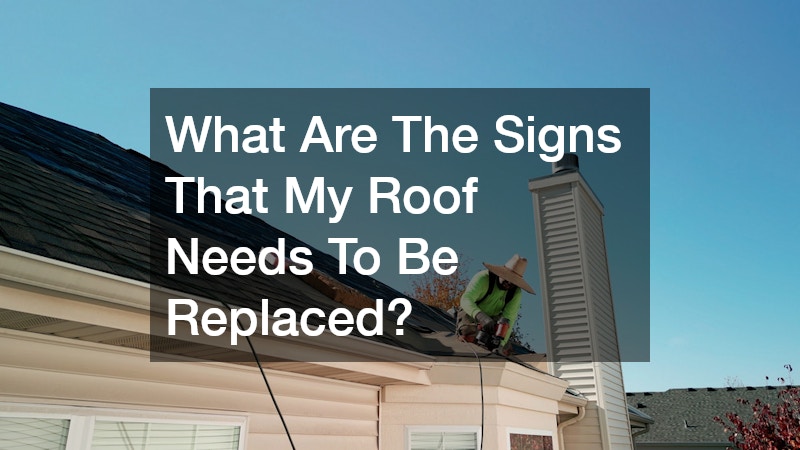
Beyond age, visible signs of damage often indicate the need for immediate attention. Missing or cracked shingles, curling edges, and granule loss can allow moisture to penetrate underlying structures, leading to water stains on ceilings or walls. Leaks around chimneys, skylights, or vents, along with mold or rot in the attic, are also red flags that professional residential roof repair is necessary. Roofers are trained to spot subtle signs of deterioration that may go unnoticed by homeowners, preventing minor issues from escalating into costly repairs.
Even if damage seems minimal, scheduling a roof inspection can identify underlying problems such as structural weakening or compromised insulation. A roofing contractor can provide a detailed assessment, recommend targeted repairs, or suggest a roof install when necessary. Early intervention through routine inspections and timely repairs extends the lifespan of the roof, protects the home, and preserves the overall integrity of your property.
How Do I Choose The Right Windows For My Home?
Energy Efficiency Ratings
Selecting the right windows involves evaluating both performance and aesthetics. Energy efficiency is a primary consideration, as well-installed, well-insulated windows can significantly reduce heating and cooling costs. Look for windows with a low U-factor and a high Solar Heat Gain Coefficient (SHGC) suitable for your climate. A reputable window company can provide guidance on ratings and recommend energy-efficient options that meet local building codes and homeowner preferences. Window upgrades not only improve comfort but also contribute to sustainable home improvement practices.
Energy-efficient windows often include features such as double or triple glazing, low-emissivity coatings, and argon or krypton gas fills between panes. These elements enhance thermal performance, reduce condensation, and maintain consistent indoor temperatures. By working with experienced installers, homeowners can ensure proper fit and seal, maximizing the benefits of energy-efficient windows. Routine window cleaning also preserves performance, extending the lifespan of your investment and supporting the broader goals of comprehensive home improvement.
Style And Aesthetics
While energy efficiency is crucial, the visual impact of windows on the home’s exterior and interior design should not be overlooked. Window style, frame material, color, and hardware all contribute to overall aesthetics. Homeowners may choose from options like casement, double-hung, sliding, or bay windows, each complementing specific architectural styles. A knowledgeable window company can help match your preferences to functional considerations, ensuring both beauty and performance.
In addition to aesthetics, window selection influences natural light, ventilation, and security. Incorporating modern designs and durable materials enhances curb appeal and property value while aligning with energy efficiency goals. Working with professional installers ensures that style choices do not compromise functionality, creating a seamless integration of design, comfort, and performance that supports the principles of comprehensive home improvement.
What Types Of Insulation Are Best For My Home?
Comparing Insulation Materials
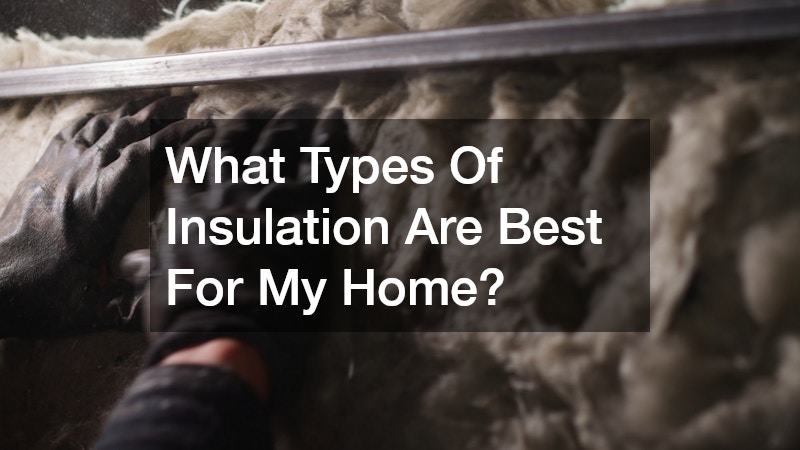
Insulation is a critical component of a comfortable and energy-efficient home. Homeowners have several material options, including fiberglass batts, spray foam, cellulose, and rigid foam panels. Each type offers unique advantages depending on location, budget, and desired R-value. Insulation contractors can assess your home’s existing setup, identify gaps, and recommend materials that enhance thermal performance and energy efficiency. Proper insulation reduces reliance on heating and cooling systems, lowering utility costs while improving indoor comfort.
Spray foam insulation, for example, expands to fill cavities and provide an air-tight seal, while fiberglass batts are cost-effective and easy to install in standard framing. Cellulose insulation, made from recycled materials, offers environmental benefits along with effective soundproofing and thermal performance. Insulation contractors bring expertise in material selection and installation, ensuring compliance with building codes and long-term durability, making it a key component of comprehensive home improvement projects.
R-Value And Its Importance
R-value measures insulation’s resistance to heat flow, with higher values indicating better thermal performance. Choosing the right R-value is essential for maintaining consistent indoor temperatures and reducing energy costs. Factors such as local climate, attic space, wall construction, and budget influence the ideal R-value for your home. Insulation contractors use this information to recommend solutions that balance performance and cost-effectiveness.
Inadequate insulation can lead to heat loss in winter, overheating in summer, and increased strain on HVAC systems. By upgrading insulation in targeted areas like attics, crawl spaces, and walls, homeowners achieve better energy efficiency and comfort. Incorporating proper insulation complements other home improvement services such as residential roof repair and window installations, creating a cohesive approach to energy conservation and structural protection.
How Can I Improve My Home’s Energy Efficiency?
Upgrading Insulation
Energy efficiency improvements often begin with insulation upgrades. Areas such as attics, basements, crawl spaces, and walls are common culprits for heat loss and gain. Crawl space encapsulation, for instance, not only prevents moisture and mold growth but also significantly enhances the thermal performance of the home. Insulation contractors and roofing professionals can collaborate to identify weak points in the building envelope, recommending strategic upgrades that reduce utility costs while improving comfort.
Targeted insulation enhancements, combined with proper ventilation, extend the lifespan of HVAC systems and prevent uneven temperature distribution throughout the home. Energy-conscious homeowners can also explore eco-friendly insulation materials as part of a sustainable approach to comprehensive home improvement. By addressing insulation in tandem with other upgrades such as roof install or window replacement, the home’s energy profile can be significantly improved.
Sealing Air Leaks
Sealing air leaks is another critical step in improving energy efficiency. Common problem areas include around windows, doors, vents, and electrical penetrations. Techniques such as weatherstripping, caulking, and foam sealing ensure that conditioned air remains inside while preventing drafts. Window cleaning and proper door alignment further enhance sealing performance by maintaining smooth operation and effective closures.
Professional contractors can conduct thorough inspections to identify hidden air leaks, providing solutions that maximize thermal efficiency. Combining air sealing with high-quality insulation, energy-efficient windows, and proper roof maintenance creates a synergistic effect, allowing homeowners to fully capitalize on the benefits of comprehensive home improvement services.
What Should I Consider When Hiring A Contractor?

Checking Credentials And References
Hiring the right professional is essential for successful home improvement projects. Whether you’re seeking a roofing contractor, drywall contractor, or insulation contractors, verifying credentials is critical. Ensure that the professionals hold appropriate licenses, insurance, and bonding to protect yourself in case of accidents or subpar work. Request references and review past projects to gauge the quality and reliability of their services. Experienced roofers and window company specialists can provide insight into the best materials and installation methods for your home.
Homeowners should also assess the contractor’s reputation for customer service, communication, and problem-solving. Checking online reviews, consulting friends or neighbors, and visiting completed projects can reveal whether the contractor consistently delivers high-quality work. Taking these steps ensures that the home improvement project—be it a roof install, crawl space encapsulation, or window replacement—is completed efficiently, safely, and to professional standards, enhancing the overall value and performance of your property.
Understanding Contracts And Estimates
Contracts and estimates are foundational to any comprehensive home improvement project. A clear, detailed contract outlines the scope of work, materials to be used, timelines, payment schedules, and warranties. Understanding these elements helps prevent misunderstandings and ensures that all parties agree on expectations before work begins. Roofing contractors and other professionals should provide written estimates that break down costs for labor, materials, and any additional services.
Comparing multiple estimates allows homeowners to make informed decisions while avoiding surprises later. Pay attention to details such as the type of materials specified for residential roof repair, the quality of windows from a window company, or the level of insulation recommended by insulation contractors. Transparent communication and well-documented agreements are key components of successful home improvement projects, supporting smooth execution and long-term satisfaction.
How Do I Maintain My Roof And Windows?
Regular Inspections
Routine inspections are critical to prolonging the life of your roof, windows, and other structural components. Residential roof repair is often easier and less costly when issues are caught early through regular checkups. Roofers can identify loose shingles, flashing damage, or leaks before they escalate, while a window company can inspect seals, frames, and glass for cracks or moisture intrusion via glass door inspections. Scheduling annual inspections ensures that small problems are addressed before they compromise the home’s integrity.
Regular inspections also provide an opportunity to assess the effectiveness of insulation, check crawl space encapsulation, and review other systems that contribute to the home’s energy efficiency. By maintaining a proactive approach, homeowners not only protect their investment but also optimize the performance of the improvements they have made as part of comprehensive home improvement efforts.
Cleaning And Maintenance
Proper cleaning and maintenance play a significant role in extending the lifespan of roofing and windows. Cleaning gutters, removing debris, and washing windows are simple yet effective ways to prevent water damage and maintain aesthetic appeal. Window cleaning, when done correctly, enhances clarity, preserves seals, and contributes to energy efficiency by allowing maximum natural light.
Other maintenance tasks include inspecting and maintaining drywall, sealing gaps around windows and doors, and checking insulation in attics or crawl spaces. Crawl space encapsulation, when maintained, prevents moisture intrusion, mold growth, and heat loss, improving overall indoor comfort. By combining routine inspections with cleaning and preventive maintenance, homeowners protect their investments and ensure the long-term success of their comprehensive home improvement projects.
What Financing Options Are Available For Home Improvement Projects?

Home Equity Loans And Lines Of Credit
Homeowners often leverage their property’s value to finance major renovations. Home equity loans and lines of credit (HELOCs) provide access to funds for projects such as residential roof repair, roof install, window upgrades, or drywall contractor services. These options offer relatively low-interest rates compared to unsecured loans, allowing homeowners to complete extensive home improvements without straining their monthly budgets.
Using home equity wisely enables homeowners to invest in professional services, including roofing contractors, insulation contractors, and window company experts, ensuring that improvements are performed with expertise and durability in mind. Combining financing with careful planning allows projects to be completed efficiently while maximizing the return on investment through enhanced property value and energy savings.
Government Programs And Incentives
Several government programs and incentives encourage homeowners to invest in energy-efficient and sustainable home improvements. Programs may offer rebates for insulation upgrades, energy-efficient windows, or solar-ready roof installations. These incentives can offset the cost of hiring roofers, insulation contractors, or window companies, making comprehensive home improvement projects more affordable.
Staying informed about available programs ensures that homeowners can take advantage of financial support while implementing improvements that increase comfort, reduce utility bills, and enhance overall efficiency. Combining government incentives with traditional financing options provides flexibility, helping homeowners pursue projects that align with their goals and long-term plans.
What Are The Latest Trends In Home Improvement Services?
Eco-Friendly Materials And Practices
Sustainable building materials and environmentally friendly practices are increasingly popular in home improvement projects. Many homeowners now choose energy-efficient windows, recycled insulation materials, low-VOC drywall, and durable roofing options to minimize their environmental impact. Insulation contractors and roofing contractors are incorporating green solutions that reduce energy consumption while maintaining high performance.
Eco-conscious approaches also include crawl space encapsulation using non-toxic materials, selecting window company products designed for thermal efficiency, and residential roof repair methods that extend the lifespan of existing roofs. These practices support not only sustainability but also cost savings, improved indoor air quality, and enhanced long-term value as part of a comprehensive home improvement strategy.
Smart Home Technologies
Technology is transforming the way homeowners approach renovations. Smart home solutions are now integrated into windows, roofing, and insulation systems to improve comfort, security, and energy efficiency. Automated window treatments, sensors that detect roof leaks, and climate-controlled insulation solutions allow homeowners to monitor and adjust their home environment in real time.
Professional roofing contractors and window companies are increasingly equipped to install smart systems that work seamlessly with existing infrastructure. Combining smart technology with traditional home improvement services, such as residential roof repair, roof install, and crawl space encapsulation, creates a modern, efficient, and convenient living space. These innovations enhance the effectiveness of comprehensive home improvement projects while providing homeowners with greater control and peace of mind.
Comprehensive home improvement is more than a series of individual upgrades—it is a strategic approach to enhancing comfort, efficiency, and value throughout the home. From residential roof repair and roof install projects to window replacements, insulation upgrades, and drywall work, each component contributes to a safer, more comfortable, and energy-efficient living environment. Working with experienced contractors, including roofers, insulation contractors, and window company professionals, ensures high-quality results that protect the investment in your home.