
House flipping looks like a breezy, weekend-long adventure on television. You swing a sledgehammer, pick out trendy tile, and miraculously walk away with a massive profit check a few weeks later. In the real world of real estate investing, however, the picture is vastly more complex. Flipping houses is a high-stakes business filled with hidden traps, unexpected expenses, and structural nightmares that can obliterate profit margins overnight. The difference between a highly successful real estate investor and one who goes bankrupt on their first project usually comes down to one critical factor: their team.
You cannot be an expert in everything. Attempting to DIY complex systems or relying on cheap, unlicensed labor to cut corners is the fastest route to a failed flip. When you buy a distressed property, you are buying its history, neglect, and hidden flaws. Addressing these underlying issues early and professionally creates a safe, desirable home that buyers will fight over. By assembling a trusted roster of professionals before you ever close on a property, you bypass the industry’s most common pitfalls. Here are 10 major house-flipping issues you can entirely avoid when you have the right experts on your side.

1. Preventing Catastrophic Water Damage and Pipe Failures
Nothing destroys a newly renovated home faster than water. Imagine installing brand-new luxury vinyl plank flooring, custom kitchen cabinets, and pristine drywall, only to have a compromised pipe burst inside the wall. Within hours, the entire first floor is flooded. This is a house flipper’s worst nightmare, and it happens frequently. Older homes are notorious for hidden plumbing issues, ranging from corroded galvanized steel pipes and brittle polybutylene to invasive tree roots crushing the main sewer line. Water damage is insidious; it compromises structural integrity and breeds further issues.
To avoid these catastrophic setbacks, bringing in a licensed residential plumber during the initial inspection phase is essential. They can run a camera down the main sewer line to check for blockages or collapses, evaluate water pressure, and identify outdated materials that must be completely replaced before cosmetic work begins. Upgrading the plumbing infrastructure behind the walls gives your buyers peace of mind and protects your expensive finishes from being ruined by sudden leaks, preserving your profit margin and timeline.
2. Averting Messy Backyard Biohazards
If you are flipping a property in a rural area, a sprawling suburb, or an older neighborhood off the municipal sewer grid, you are likely dealing with a septic system. A failing septic system is one of the fastest ways to kill a real estate deal. Buyers are terrified of septic problems. When a leach field fails or a tank overflows, it creates a literal biohazard in the backyard, complete with foul odors, soggy ground, and raw sewage backing up into the home’s bathtubs and sinks.
Many new investors mistakenly assume that if the toilets flush during the walkthrough, the septic system is fine. A tank could be at its maximum capacity or suffering from severe structural deterioration, just waiting to collapse. Before finalizing the purchase, hire a professional septic tank pumping company to uncover the tank, empty it completely, and inspect the concrete or fiberglass for cracks, root intrusion, and baffle damage. Starting your flip with a freshly pumped and certified septic system not only prevents mid-project disasters but also serves as a massive selling point when listing the home.
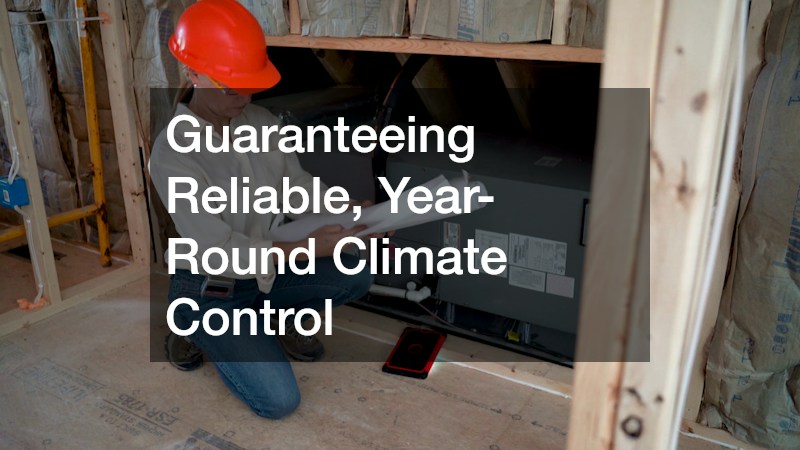
3. Guaranteeing Reliable, Year-Round Climate Control
When prospective buyers walk into your flipped property for an open house, the temperature is one of the first things they notice. If it is the middle of summer and the house is sweltering, or the dead of winter and they have to keep their coats on, they will immediately deduct thousands of dollars from their offer price. The heating, ventilation, and air conditioning system is the literal lungs of the home. Old, inefficient, or failing units cause uncomfortable living conditions and pose massive safety risks, such as carbon monoxide leaks from a cracked furnace heat exchanger.
Investors often try to squeeze one more year out of a dying system to save money. However, an experienced home inspector will catch this instantly. Instead of waiting for the deal to fall through, schedule a comprehensive HVAC repair professional to perform a tune-up, clean the coils, check ductwork, and evaluate the compressor. If the system is at the end of its life, replacing it early in the renovation allows you to market the home with brand-new heating and cooling, significantly boosting your asking price.
4. Securing Your Investment From the Top Down
A house is only as good as the roof over it. You can spend a hundred thousand dollars renovating the interior of a property, but if the roof is compromised, every single dollar you invested is at risk. Roof leaks often go unnoticed until a major storm hits, allowing water to seep through missing shingles, rot the wooden decking, destroy the attic insulation, and eventually stain the brand-new ceilings below. Furthermore, older roofs with curling shingles or missing flashing are major red flags for mortgage lenders and insurance companies.
Many buyers simply cannot get a loan approved if the roof is past its useful life. Do not rely on a visual inspection from the driveway. You need a qualified residential roofer to walk the perimeter, check the flashing around chimneys, and inspect the gutters. They will determine if the roof needs minor patching or a full tear-off. Addressing the roof immediately secures the envelope of the house, ensuring all interior cosmetic work remains perfectly dry and protected from the elements throughout your flip.
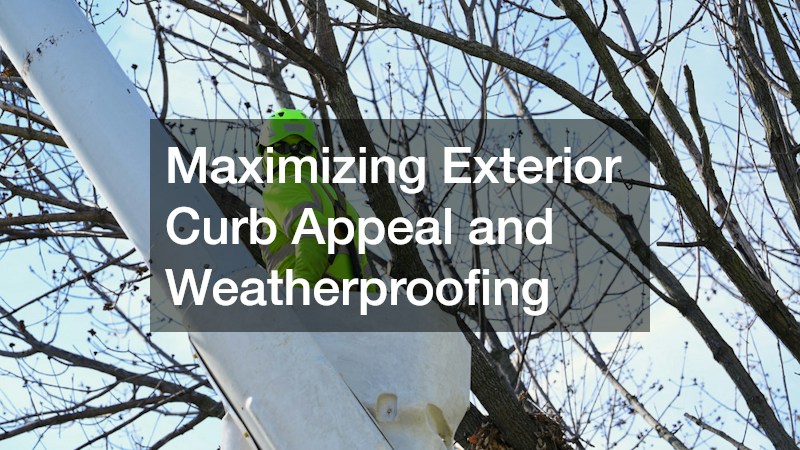
5. Maximizing Exterior Curb Appeal and Weatherproofing
Curb appeal gets buyers out of their cars and through the front door. If the exterior of your flip looks dilapidated, worn out, or poorly maintained, many buyers will simply keep driving. Beyond just looking ugly, damaged exterior walls allow moisture, pests, and drafts to enter the home, driving up energy costs and causing hidden rot in the framing. Peeling paint, cracked vinyl, rotting wood clapboards, or crumbling stucco all send a loud message to buyers that the home has been neglected.
To maximize your return on investment and create a stunning first impression, consult with a skilled siding contractor early in the project. They can assess the exterior envelope and recommend the best course of action. Sometimes a thorough power washing and fresh paint are enough; other times, the property requires a complete facelift with modern, durable materials like fiber cement or insulated vinyl. A professional ensures a proper moisture barrier is installed, transforming the property’s look and guaranteeing it is weatherproofed for decades.
6. Clearing the Air of Silent, Invisible Toxins
One of the most overlooked aspects of flipping a house is indoor air quality. Because you cannot see, smell, or taste it, radioactive gas is rarely on a new investor’s radar. However, radon gas is a leading cause of lung cancer, naturally seeping into homes through cracks in the foundation, porous concrete, and sump pump pits. As buyers become more educated about environmental health hazards, testing for this dangerous gas has become a standard contingency in almost every residential real estate transaction.
If a buyer’s inspector finds elevated levels right before closing, it can cause panic, delay the sale, or prompt the buyer to back out entirely. Smart flippers eliminate this risk by conducting residential radon testing the moment they purchase the property. Knowing the levels before renovations begin allows you to easily install a mitigation system—usually consisting of PVC piping and an inline fan that vents the gas above the roofline. Installing this system during the initial renovation phase is far cheaper and less intrusive than retrofitting it after the basement is finished.

7. Stopping Hidden Fungal Threats Before They Spread
Houses that are prime targets for flipping have often sat vacant for months or even years. During that time, the power is usually turned off, meaning no air conditioning regulates indoor humidity. Combine a stagnant, humid environment with a tiny, unnoticed roof leak or basement seepage, and you have the perfect recipe for a massive microbial infestation. Fungal growth doesn’t just look and smell terrible; it is a serious health hazard that causes severe respiratory issues.
If a prospective buyer catches a whiff of a musty basement or sees dark spots on the drywall, they will sprint away. Bleach and a coat of primer are not a cure. If you do not fix the underlying moisture issue, the spores will return, exposing you to massive legal liability. When you suspect an issue, you must hire professional mold inspection services to pinpoint exact locations of growth and determine the moisture source. These experts provide a detailed remediation protocol, ensuring you completely eradicate the problem. A certificate of professional remediation gives buyers ultimate confidence that the home is healthy and safe.
8. Taming Overgrown Landscapes and Foundation-Wrecking Roots
When a property has been abandoned or neglected, the landscaping usually reverts to a wild, overgrown jungle. While overgrown grass and unruly bushes are easy enough to tackle with a lawnmower, large, unmanaged trees present a much more complicated and dangerous problem. Dead or dying branches hanging over the roof are a severe liability; one strong windstorm could send a massive limb crashing through your newly renovated living room. Furthermore, large tree roots naturally seek out water sources, frequently wrapping around and crushing underground sewer lines or pushing against the home’s foundation.
Handling massive timber is not a DIY job for a flipper. It requires specialized equipment and a deep understanding of weight distribution. Bringing in reputable local tree services to evaluate the canopy is a vital step in property preparation. They safely fell dead trees, grind down unsightly stumps, and trim back heavy branches. Clearing out the overgrowth protects the physical structure of the house and instantly makes the yard look larger, cleaner, and inviting.
9. Smoothing Out Cracked Driveways and Trip Hazards
The driveway and walkways are the very first physical touchpoints a buyer has with your property. If they have to navigate a minefield of deep potholes, heavily cracked asphalt, or severely heaved concrete sidewalks just to get to the front door, their first impression will be one of deferred maintenance and immediate safety hazards. Beyond mere aesthetics, damaged paving can actually block a sale. Government-backed mortgages, such as FHA and VA loans, have strict safety requirements. If an appraiser notes a heaved concrete slab creates a tripping hazard, the loan will not be funded until the issue is completely rectified.
Instead of scrambling to pour concrete days before a closing, plan ahead by partnering with a reliable local paving company to address these exterior hardscape issues efficiently. Whether the solution involves a complete tear-out and repaving of an old asphalt driveway, mud-jacking a sunken concrete walkway, or seal-coating an existing surface, proper paving dramatically enhances the property’s exterior. A flawless driveway signals to buyers that every inch of the home has been meticulously cared for.
10. Putting Your Post-Flip Rental Portfolio on Autopilot
While the traditional definition of flipping involves buying, renovating, and immediately selling a property for a lump-sum profit, many modern investors are shifting their strategies. The buy, rehab, rent, refinance, and repeat method has become incredibly popular for building long-term, generational wealth. Instead of selling the beautifully renovated home, you rent it out at a premium price, refinance to pull your initial capital back out, and hold the asset for ongoing cash flow. However, managing tenants, collecting rent, and dealing with midnight maintenance calls is a completely different business than renovating houses.
If you decide to hold your flip as a rental property, your time is still best spent finding and renovating the next deal, not unclogging toilets. By enlisting comprehensive property management services, you can transition seamlessly from a house flipper to a hands-off real estate investor. These professionals handle tenant screening, draft airtight leases, manage security deposits, and coordinate maintenance requests. They protect your newly renovated asset and ensure your passive income stream remains truly passive as you scale your business.
In the highly competitive world of real estate investing, attempting to do everything yourself is a recipe for burnout, massive delays, and financial loss. The most successful house flippers understand that they are essentially project managers, and their success is entirely dependent on the quality of the team they assemble. By anticipating these ten major issues, from hidden moisture and failing foundations to overgrown lots and climate control nightmares, and hiring the right professionals to handle them, you mitigate your risks, protect your profit margins, and deliver a vastly superior product to the market. Build your expert team before you even buy your first property, and you will be well on your way to a lucrative and sustainable house-flipping career.